Your industrial roof protects your facility, equipment, inventory, and daily operations. Whether you operate a warehouse, manufacturing plant, distribution center, or processing facility, your roofing system plays a critical role in keeping your business running without disruption.
One of the most common questions facility managers ask is: How often should an industrial roof be inspected?
The short answer: at least twice per year — plus after major weather events.
But the full answer depends on your roofing system, building use, climate, and roof age. Let’s break it down.
The Standard Recommendation: Twice Per Year
Most commercial roofing professionals recommend inspecting industrial roofs:
- Once in the spring
- Once in the fall
These seasonal inspections help catch damage caused by:
- Winter freeze-thaw cycles
- Snow and ice buildup
- Summer heat expansion
- Severe storms and high winds
Regular inspections allow minor issues to be addressed before they turn into costly repairs or full replacements.
Why Industrial Roofs Need Routine Inspections
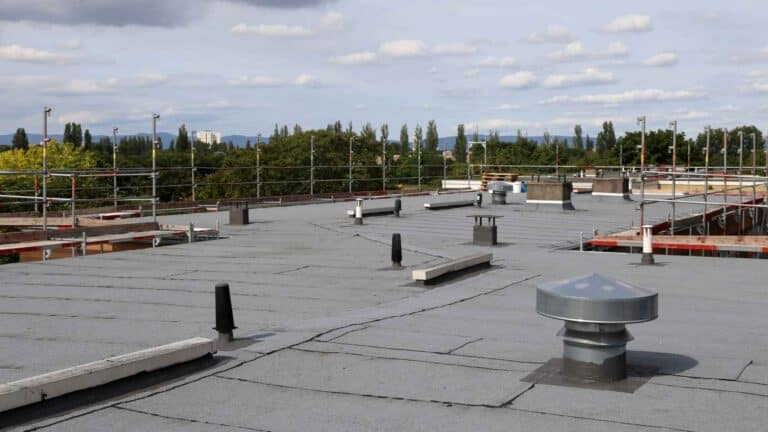
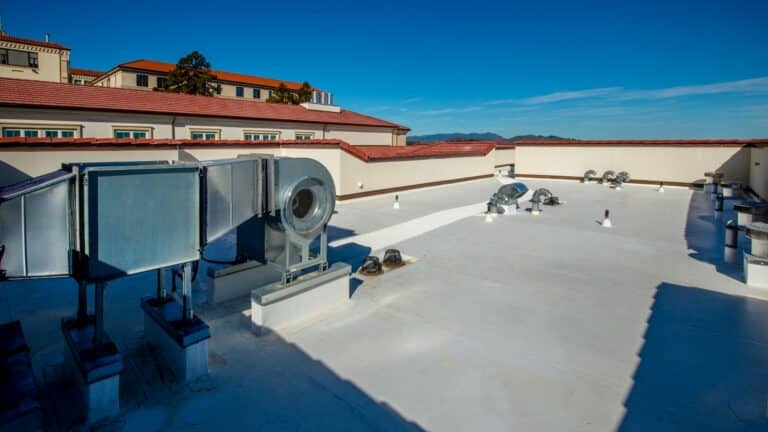
Industrial facilities often have more rooftop activity than other buildings. HVAC systems, vents, exhaust systems, skylights, and mechanical equipment all create roof penetrations — and every penetration is a potential leak point.
Common industrial roofing systems include:
- TPO
- EPDM
- PVC
- Metal panel systems
Each system has seams, flashing details, and drainage components that can deteriorate over time. Inspections help ensure these critical areas remain watertight.
Additional Inspections After Severe Weather
Beyond routine biannual inspections, you should schedule an inspection after:
- Heavy windstorms
- Hail events
- Significant snowfall
- Tornadoes or severe weather systems
- Extended heavy rainfall
Storm damage isn’t always obvious from the ground. Wind can lift membrane seams or loosen metal fasteners. Hail can puncture roofing materials. Snow loads can stress structural components.
Catching damage early can prevent interior leaks and structural complications.
Inspection Frequency Based on Roof Age
Roof age plays a major role in how often inspections should occur.
New Roof (0–5 Years)
- Inspect twice annually
- Focus on workmanship details and drainage performance
- Maintain warranty compliance
Mid-Life Roof (6–15 Years)
- Inspect twice annually
- Consider adding minor preventative repairs
- Monitor seam integrity and flashing
Aging Roof (15+ Years)
- Inspect 3–4 times per year
- Watch closely for membrane wear, cracking, or shrinkage
- Begin budgeting for replacement
As roofs age, materials naturally expand, contract, and degrade. Increased inspection frequency helps prevent unexpected failures.
What Happens During an Industrial Roof Inspection?
A professional industrial roof inspection typically includes:
1. Membrane or Panel Evaluation
- Checking for cracks, tears, punctures
- Inspecting seam integrity
- Identifying blistering or shrinkage
2. Flashing & Penetration Review
- Inspecting around HVAC units and vents
- Checking curbs and edge details
- Ensuring seals remain intact
3. Drainage System Inspection
- Clearing debris from drains and scuppers
- Checking for ponding water
- Verifying proper slope
4. Structural Observation
- Looking for sagging or deck movement
- Identifying soft spots
- Evaluating insulation condition
5. Documentation & Reporting
Professional inspections should include photo documentation and written reports. This helps track roof condition over time and supports insurance or warranty claims if needed.
The Cost of Skipping Inspections
Delaying roof inspections may save money in the short term — but it often leads to much higher costs later.
Without routine inspections, small issues can escalate into:
- Interior water damage
- Mold growth
- Equipment corrosion
- Production shutdowns
- Inventory loss
- Structural deterioration
For industrial facilities, even a small leak can result in significant operational disruption.
Preventative inspections are a fraction of the cost of emergency repairs or full roof replacements.
Preventative Maintenance Programs
Many industrial property owners benefit from enrolling in a preventative roof maintenance program. These programs typically include:
- Scheduled inspections
- Minor repairs included
- Priority emergency response
- Condition tracking
- Budget forecasting
Maintenance programs not only extend roof lifespan but also help you plan capital expenditures more effectively.
Climate Matters
Inspection frequency should also reflect your regional climate.
In areas with:
- Freeze-thaw cycles
- Heavy snow accumulation
- High winds
- Extreme summer heat
Roof systems experience additional stress. Thermal expansion and contraction can weaken seams and flashing over time.
Facilities in harsher climates may benefit from additional mid-season inspections.
Signs You Should Schedule an Inspection Immediately
Even if you’re not due for a routine inspection, call for one if you notice:
- Water stains on ceilings
- Dripping during rainfall
- Increased energy bills
- Visible sagging
- Loose rooftop materials
- Standing water after storms
Early detection prevents minor problems from becoming major structural concerns.
Protecting Your Roof Warranty
Many commercial roofing warranties require documented inspections and maintenance. Skipping routine inspections could potentially void portions of your warranty coverage.
Maintaining proper documentation ensures you’re protected if defects or material failures occur.
Final Thoughts
So how often should an industrial roof be inspected?
At minimum, twice per year — plus after severe weather events.
However, older roofs, harsh climates, and heavy rooftop activity may require more frequent evaluations.
Routine inspections:
- Extend roof lifespan
- Reduce emergency repair costs
- Protect building contents
- Maintain warranty compliance
- Improve budgeting accuracy
Your industrial roof is a major asset. Treating it proactively rather than reactively can save your business thousands of dollars over time.
If it’s been more than six months since your last roof inspection, now is the right time to schedule one. Preventative care today can prevent costly disruptions tomorrow.