Choosing the right roofing system for your commercial or industrial building is a major decision. Your roof protects your structure, equipment, inventory, employees, and daily operations. It also plays a critical role in energy efficiency, maintenance costs, and long-term return on investment.
Two of the most common options for commercial properties are flat roofing systems and metal roofing systems. Both offer unique advantages depending on your building type, budget, and long-term goals.
In this guide, we’ll break down the differences to help you determine which option is best for your commercial building.
Understanding Flat Roofing Systems
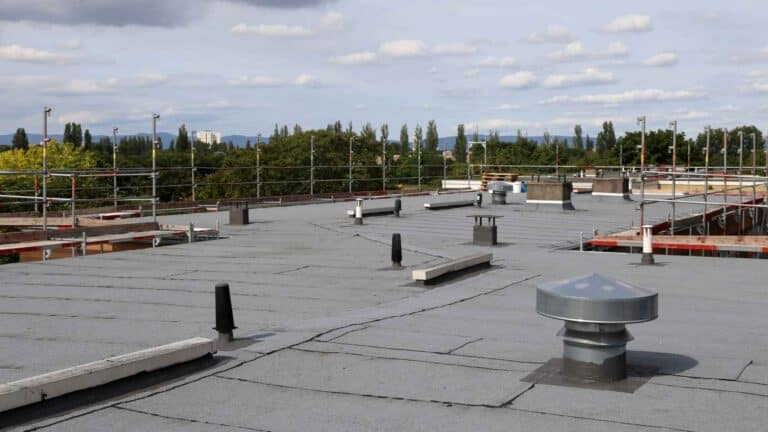
Flat roofs are widely used across warehouses, office buildings, retail centers, manufacturing facilities, and distribution centers. While called “flat,” they actually have a slight slope to allow for water drainage.
The most common flat roofing materials include:
- TPO (Thermoplastic Polyolefin)
- EPDM (Rubber Roofing)
- PVC (Polyvinyl Chloride)
Advantages of Flat Roofs
1. Lower Initial Cost
Flat roofing systems are typically more affordable upfront compared to metal roofs. Installation is generally quicker and requires fewer materials.
2. Easier Maintenance & Repairs
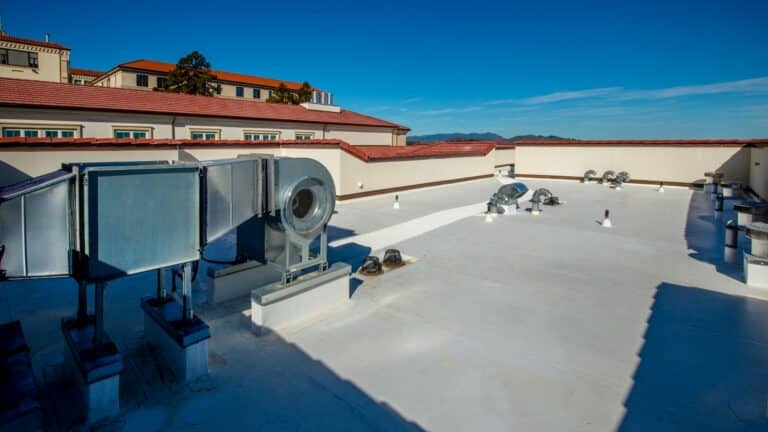
Flat roofs are easier and safer to walk on, making inspections and repairs more convenient. HVAC systems, solar panels, and mechanical units are often installed on flat roofs for easy access.
3. Ideal for Large Industrial Buildings
Warehouses and manufacturing facilities often benefit from flat roofing systems due to their wide spans and structural design.
4. Energy Efficiency Options
White reflective membranes like TPO and PVC can reduce heat absorption, lowering cooling costs during warmer months.
Considerations with Flat Roofs
Flat roofs rely heavily on proper drainage. If drains clog or slope is insufficient, water can pond, increasing the risk of leaks and membrane damage. Routine inspections are critical to maximize lifespan.
On average, flat roofing systems last:
- TPO: 15–25 years
- EPDM: 20–30 years
- PVC: 20–30 years
Lifespan depends heavily on installation quality and maintenance.
Understanding Metal Roofing Systems
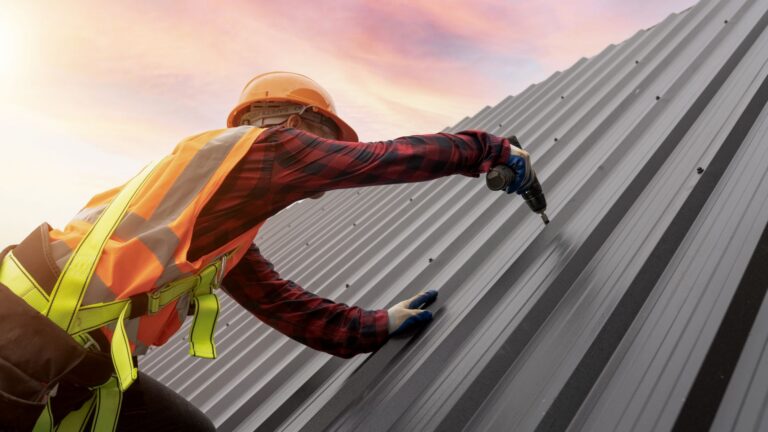
Metal roofing is commonly used for industrial buildings, manufacturing plants, storage facilities, and agricultural structures. Modern commercial metal roofs are engineered for durability and longevity.
Common metal roofing materials include:
- Galvanized steel
- Aluminum
- Standing seam metal panels
Advantages of Metal Roofs
1. Exceptional Longevity
Metal roofing systems can last 40–60 years or more with proper maintenance. This makes them one of the longest-lasting commercial roofing options available.
2. Superior Durability
Metal roofs perform extremely well in high winds, heavy snow loads, and severe weather. They resist cracking, shrinking, and erosion better than many flat membrane systems.
3. Low Long-Term Maintenance
While metal roofs require inspections, they generally experience fewer membrane-related issues compared to flat roofing systems.
4. Strong Snow & Water Shedding
Because metal roofs are typically installed with slope, water and snow shed more effectively, reducing ponding concerns.
5. Sustainability
Metal roofing is often made from recycled materials and is fully recyclable at the end of its life cycle.
Considerations with Metal Roofs
Metal roofing systems usually have a higher upfront installation cost. Additionally, penetrations (for HVAC units or skylights) must be sealed properly to prevent leaks. Over time, fasteners and seams may require maintenance.
Cost Comparison: Flat Roof vs. Metal Roof
When comparing costs, it’s important to look beyond just the initial installation.
Upfront Costs
- Flat roofing systems typically cost less initially.
- Metal roofing systems generally cost more due to materials and installation complexity.
Long-Term Value
Metal roofs often outlast flat roofs by decades. While the upfront cost is higher, the long-term lifecycle cost may be lower when factoring in fewer replacements.
Flat roofs may require replacement sooner but can be restored with coatings in some cases, extending lifespan without full replacement.
The right choice depends on whether you’re optimizing for short-term budget or long-term investment.
Energy Efficiency Comparison
Energy performance can vary based on material and color.
Flat Roofing Systems:
Reflective membranes like TPO and PVC help reduce heat absorption, lowering cooling costs for large commercial facilities.
Metal Roofing Systems:
Metal reflects solar radiation naturally and can be coated with cool-roof finishes. Insulation beneath metal panels also plays a key role in energy performance.
Both systems can be energy-efficient when properly designed.
Maintenance Requirements
Regardless of the system you choose, preventative maintenance is critical.
Flat Roof Maintenance Includes:
- Checking seams and flashing
- Clearing drains and debris
- Monitoring for ponding water
- Inspecting membrane integrity
Metal Roof Maintenance Includes:
- Inspecting seams and fasteners
- Checking for corrosion
- Resealing penetrations
- Monitoring panel movement
A structured maintenance program can significantly extend the lifespan of either system.
Which Roof Is Best for Your Building?
The answer depends on several key factors:
Choose a Flat Roof If:
- Your building is designed for a low-slope system
- You need space for rooftop equipment
- You want lower upfront costs
- Your structure spans a large square footage
Choose a Metal Roof If:
- Longevity is your top priority
- Your building has structural support for sloped roofing
- You operate in an area with heavy snow or severe storms
- You want a long-term, durable investment
Climate Considerations
In regions with freeze-thaw cycles, snow accumulation, and seasonal storms, both systems can perform well — but installation quality is everything.
Flat roofs must have proper drainage design to prevent ice buildup and ponding. Metal roofs must be properly insulated and secured to handle expansion and contraction from temperature changes.
Working with an experienced commercial roofing contractor ensures the system is engineered for your specific environment.
Final Thoughts
There is no one-size-fits-all answer when comparing flat roofing and metal roofing for commercial buildings. Each system offers strong advantages depending on your building’s structure, operational needs, and long-term financial goals.
Flat roofs provide affordability, accessibility, and flexibility for large commercial spaces. Metal roofs deliver unmatched longevity, durability, and weather resistance.
The best decision comes from evaluating:
- Your budget
- Your building design
- Your long-term ownership plans
- Local climate conditions
- Maintenance expectations
If you’re unsure which system makes the most sense for your property, a professional roof assessment can help you compare options based on your building’s structure and business needs.
Investing in the right roofing system today can protect your commercial facility for decades to come.