Your roof is one of the most critical investments your building will ever have. It shields your operations, your employees, and your assets from the elements every single day. Yet most building owners only think about their commercial roofing system when something goes wrong. By then, the damage is already done, and the repair bills are already climbing.
The good news is that a proactive approach to roof care can dramatically extend its lifespan, sometimes by decades. Whether your building has a flat membrane roof, a metal system, or a modified bitumen setup, the same core principles apply. Here is what you need to know to get the most out of your investment.
Understand the Average Lifespan of Your Roof Type
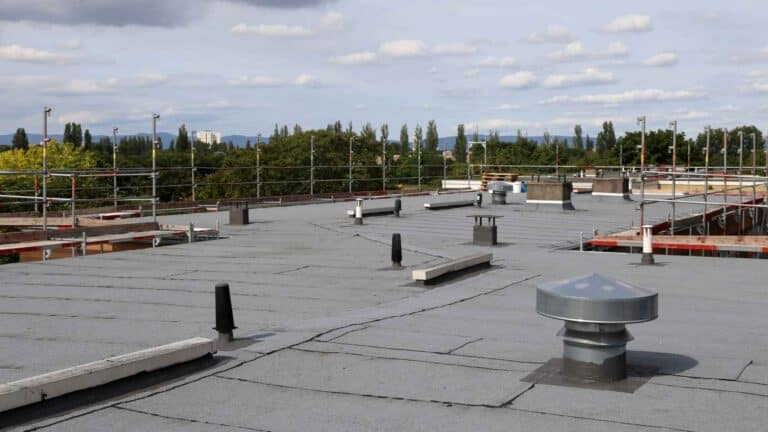
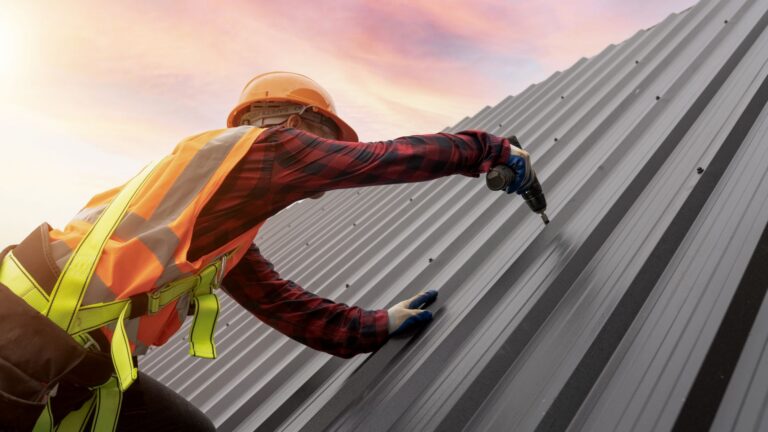
Not all commercial roofing systems are built the same, and their lifespans vary significantly depending on the materials used. A built-up roofing system typically lasts between 15 and 30 years with proper maintenance, while TPO and EPDM membranes generally fall in the 20 to 25-year range. Metal roofing systems can last 40 years or more when properly installed and cared for.
Knowing your roof type and its expected lifespan gives you a baseline for planning. It helps you budget appropriately, schedule inspections at the right intervals, and recognize when a repair is no longer cost-effective compared to a full replacement. Your commercial roofing contractor should be able to provide a detailed assessment of where your system currently stands in its lifecycle.
Schedule Regular Professional Roof Inspections
The single most effective thing you can do for the longevity of your roof is to have it professionally inspected at least twice a year, typically in the spring and fall. These inspections catch small problems before they become expensive structural issues. A trained commercial roofing inspector knows exactly where to look and what warning signs to prioritize.
During an inspection, professionals check for membrane punctures, seam separations, drainage problems, flashing failures, and signs of ponding water. Each of these issues, left unaddressed, can dramatically shorten the life of your roof. Catching them early typically means a minor repair cost rather than a major remediation project that disrupts your operations.
You should also schedule an inspection immediately after any major storm event. High winds, hail, and heavy rainfall can cause damage that is not always visible from the ground. A post-storm inspection gives you documentation for insurance purposes and ensures that any new vulnerabilities are addressed before they worsen.
Invest in a Preventive Maintenance Plan
Reactive maintenance, waiting until something breaks to fix it, is one of the most expensive ways to manage a commercial roofing system. A preventive maintenance plan flips that model by addressing vulnerabilities on a scheduled basis before they have a chance to cause real damage. Research in the industry consistently shows that every dollar spent on preventive maintenance can save between four and eight dollars in emergency repair costs.
A well-structured maintenance plan typically includes regular debris removal, drain and gutter cleaning, resealing of flashing and penetrations, and minor membrane repairs. These tasks are straightforward and relatively inexpensive when performed on a schedule, but they have a compounding positive effect on the overall health of your roof. Think of it the same way you would think about changing the oil in a vehicle: skip it long enough, and the consequences are much more costly.
Working with a qualified commercial roofing company to build a customized maintenance plan for your specific system is the most efficient approach. They can tailor the frequency and scope of maintenance visits to your roof type, local climate, and building usage patterns. That level of specificity makes a real difference in long-term outcomes.
Address Repairs Quickly and Completely
When a problem is identified, speed matters. A small crack or minor seam separation might seem manageable, but water is incredibly persistent and can travel far from its entry point before causing visible interior damage. By the time you notice a ceiling stain, the underlying commercial roofing material may already be saturated and compromised across a much larger area than the visible leak suggests.
Partial or temporary repairs can also create problems if they are not done properly. Patching over an underlying structural issue without addressing the root cause is like putting a bandage on a deeper wound. Work with a commercial roofing contractor who will diagnose the full scope of the problem and repair it completely the first time, rather than just treating the surface symptom.
Keeping detailed records of every repair, including dates, locations, and materials used, also gives you a powerful tool for future decision-making. Patterns of repeated repairs in the same area signal systemic issues that may require a more substantial intervention. That documentation is also invaluable during insurance claims or when selling the property.
Keep Drains and Gutters Clear Year-Round
Ponding water is one of the leading causes of premature commercial roof failure. When water sits on a flat or low-slope roof for extended periods, it accelerates membrane degradation, adds significant structural weight, and creates the perfect environment for mold growth and biological deterioration. Keeping drains, scuppers, and gutters completely clear is a non-negotiable part of any serious roof longevity strategy.
Debris accumulation is the most common cause of drainage failure. Leaves, dirt, and windblown material build up around drain openings and restrict flow, especially after storms. Regular clearing, at least quarterly and after any major weather event, is one of the simplest and most cost-effective steps you can take to protect your commercial roofing investment.
If your building has a chronic ponding problem, it may indicate a drainage design issue or structural settling that needs to be professionally evaluated. A commercial roofing specialist can assess whether additional drains, improved slope, or a tapered insulation system would resolve the issue permanently rather than requiring continuous reactive clearing.
Protect Your Roof Against Unnecessary Foot Traffic
Commercial roofs are frequently accessed by HVAC technicians, telecommunications workers, and other tradespeople who may not fully appreciate the vulnerability of roofing membranes underfoot. Even walking directly on certain membrane types can create micro-punctures and stress cracks that are not immediately visible but allow water infiltration over time. This is a commonly overlooked source of premature commercial roofing damage.
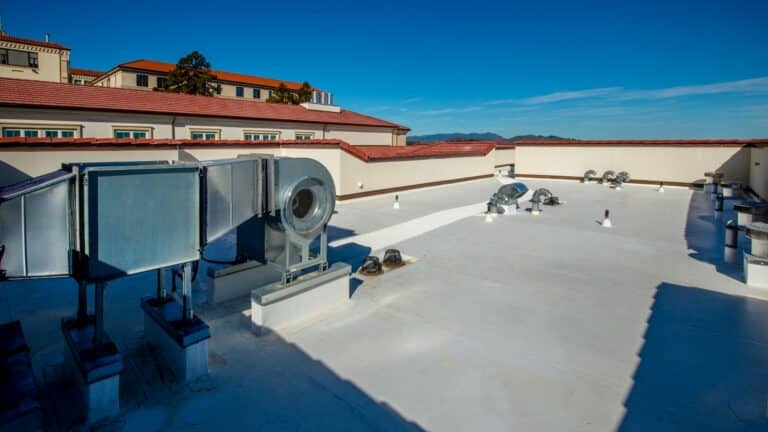
Installing walk pads or designated access pathways in high-traffic areas directs foot traffic away from vulnerable sections of the membrane. These pads are inexpensive relative to the protection they provide and are a standard recommendation from commercial roofing consultants. They are especially important around HVAC units and rooftop equipment that require regular service visits.
Creating a formal roof access policy for your building and communicating it to all service contractors is also a smart practice. Requiring sign-in logs for roof access gives you a record of who has been up there and when, which can be useful if damage is discovered later. A little protocol goes a long way in preserving your roof’s integrity.
Use Roof Coatings to Add Years to Your System
Roof coatings are one of the most cost-effective tools available for extending the lifespan of an existing commercial roofing system. Applied directly over the existing membrane, a high-quality elastomeric or silicone coating creates a seamless, waterproof barrier that reflects UV radiation, reduces thermal stress, and adds another layer of protection against the elements. In many cases, a coating application can add 10 to 15 years to a roof that would otherwise need full replacement.
The key is timing. Coatings are most effective when applied to a roof that is still structurally sound but showing early signs of wear. Applying a coating to a roof with significant existing damage will not resolve the underlying problems and can trap moisture if not done correctly. A thorough inspection and any necessary repairs should always precede a coating application.
The National Roofing Contractors Association notes that roof coatings can reduce energy costs by up to 20% by lowering rooftop temperatures and reducing heat transfer into the building. That energy savings compound over time, making coatings not just a maintenance strategy but a genuine return-on-investment tool. You can explore the full range of guidance and industry best practices at the National Roofing Contractors Association website.
Plan for Replacement Before a Crisis Forces Your Hand
Even the best-maintained commercial roofing system has a finite life. Planning for replacement well before the end of that life, rather than reacting to a failure, gives you control over timing, budget, and scope. Emergency replacements are almost always more expensive and more disruptive than planned ones, and they rarely allow time for competitive bidding or thorough contractor vetting.
Starting the planning process three to five years before your roof is expected to reach the end of its life is a reasonable approach. This gives you time to assess options, get multiple proposals, explore financing, and potentially phase the work in a way that minimizes disruption to your business. It also gives you leverage in negotiations, since you are not operating under emergency conditions.
A trusted commercial roofing partner can help you build a long-range capital plan for your roof system that integrates maintenance, repair, and eventual replacement into a single, coherent strategy. That kind of planning is how the most financially disciplined building owners manage one of their largest infrastructure assets.
Let’s Protect Your Roof Together
Whether you manage a single commercial building or an entire portfolio of industrial properties, your commercial roofing system deserves a proactive, expert-driven approach. The strategies outlined above are proven to extend lifespan, reduce costs, and prevent the kind of unexpected failures that disrupt operations and drain budgets.
At National Roofing and Sheet Metal, we specialize in commercial and industrial roofing services, including inspections, preventive maintenance, storm damage repair, leak repair, and full roof replacement. Our team has the experience and expertise to help you build a customized strategy that keeps your roof performing at its best for as long as possible.
Ready to take a proactive approach to your commercial roofing system? Reach out to our team today and let us put together a plan that works for your building.