There isn’t one best commercial roof system. The right one depends on your building, your budget, and how the roof will be used. As a quick guide, TPO and PVC are common white, reflective single ply choices for flat roofs, EPDM is a proven rubber membrane, metal is a long lived option, and built up roofing is the traditional multi layer system. For Michigan buildings, snow, ice, freeze and thaw cycles, and drainage matter as much as the material itself. Here’s how each system compares, and how to choose.
What Matters Most in Michigan
Before comparing materials, it helps to know what a Michigan commercial roof is up against.
Snow and ice. Heavy snow loads and ice dams put stress on the roof and the drainage.
Freeze and thaw. Water that gets into small gaps freezes, expands, and makes them larger.
Temperature swings. Roofs expand and contract between hot summers and very cold winters.
Wind and storms. Flashing, edges, and seams are the first places wind finds weak spots.
Ponding water. Flat and low slope roofs that don’t drain well hold water, which shortens roof life.
A good installation matters as much as the material you pick. A top quality membrane installed poorly will fail early, and a well installed system with regular maintenance can outlast expectations.
TPO
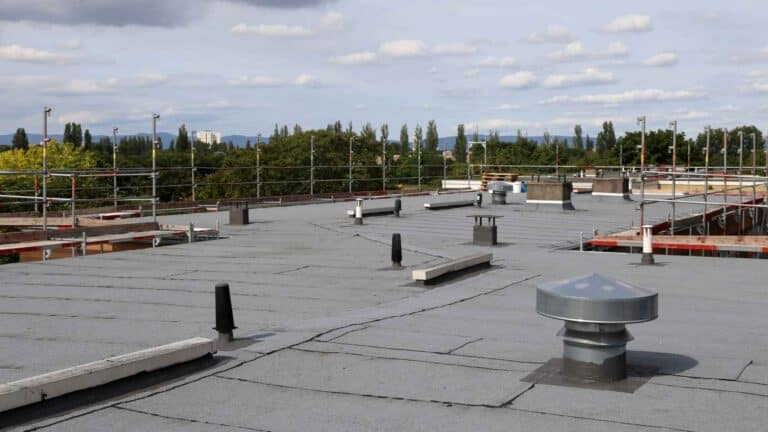
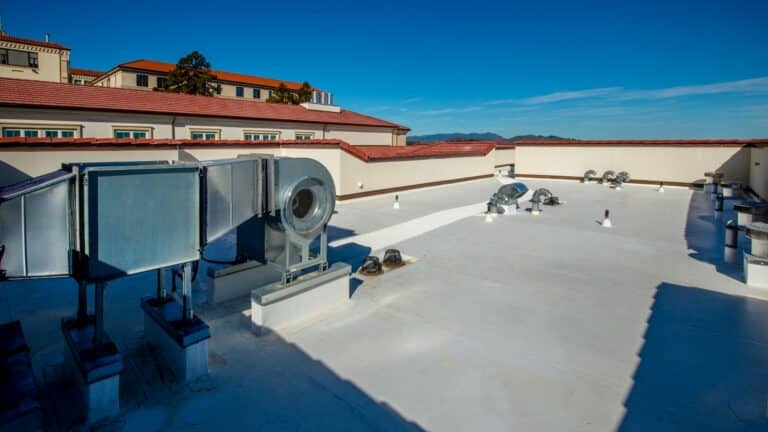
TPO is a single ply membrane that’s usually white and reflective. The U.S. Department of Energy notes that TPO and PVC membranes are usually white and reflective, with no extra cool coating needed.
Strengths. It’s one of the most common choices for commercial flat roofs, and the reflective surface can help keep buildings cooler in summer.
Watch outs. Quality varies between products, and installation matters, especially at the seams. The DOE points out that not all membranes are equally durable, and that manufacturer warranties usually don’t cover the seams, where premature failure can occur.
Lifespan. At National Roofing & Sheet Metal, we say TPO roofs can last 20 to 35 years, depending on the product, installation, and maintenance.
EPDM
EPDM is a rubber membrane with a long track record on flat roofs. It’s traditionally black, though the DOE says it can also be produced in white or cool colors.
Strengths. It’s flexible, proven, and often a good fit for buildings where a darker roof makes sense. In a cold climate, a darker membrane can help with winter heat gain.
Watch outs. Seams and flashing details need careful installation, and the roof needs regular inspection, like any system.
Fit. A good option for many industrial and commercial buildings, particularly when durability and a long track record matter.
PVC
PVC is another single ply membrane that’s usually white and reflective, and its seams are typically heat welded.
Strengths. PVC is known for strong seams and for resisting many chemicals, which is why it’s often considered for buildings with exhaust that carries grease or other substances onto the roof, like restaurants and some industrial buildings.
Watch outs. It’s often a higher upfront cost than some other options, so weigh that against the building’s needs.
Fit. A strong candidate for buildings with rooftop exhaust, heavy equipment, or unusual exposure.
Metal
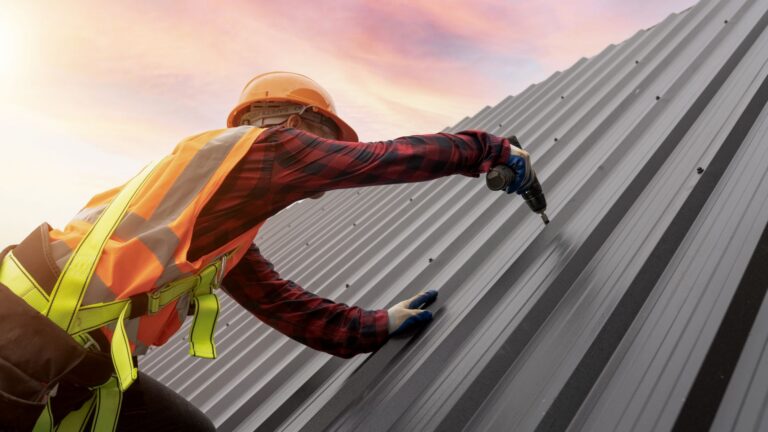
Metal roofing, including standing seam systems, is a long lived option that’s common on industrial buildings and many commercial properties.
Strengths. It sheds snow well, handles weather, and has a long lifespan. We say metal roofs can last 20 to 35 years.
Watch outs. It generally costs more upfront, and details like flashing and fasteners matter. The DOE notes that unpainted metals are good solar reflectors but poor thermal emitters, so a finish matters for energy performance.
Fit. A good fit for large facilities, where long life and low maintenance are priorities.
Built Up Roofing
Built up roofing is the traditional multi layer system, built from alternating layers of asphalt and reinforcing fabric, often topped with gravel or a protective surface.
Strengths. It has a long history and provides redundancy, since there are multiple layers of protection.
Watch outs. It’s heavier, and repairs can be more involved. Gravel surfaces can’t easily take cool coatings, according to the DOE.
Lifespan. We say built up roofs typically last 15 to 25 years.
Fit. If you already have one, it’s worth discussing whether to repair, recover, or replace with a newer system.
What About Modified Bitumen?
Modified bitumen is a close cousin of built up roofing, using asphalt based sheets. The DOE notes that SBS modified bitumen roofs must be coated to prevent rapid ozone and UV degradation. National Roofing also works with modified bitumen, so it can be part of the conversation if your building calls for it.
How to Choose: Questions to Ask
What is the building used for? A warehouse, a restaurant, and a manufacturing plant put very different demands on a roof.
How much traffic does the roof get? Frequent foot traffic from service crews working on rooftop equipment calls for extra protection.
What’s on the roof? HVAC units, exhaust fans, and solar panels all affect the choice.
What’s your budget, upfront and over time? The cheapest roof to install isn’t always the cheapest to own. Think about lifespan and maintenance.
What condition is your roof deck and insulation in? Hidden damage can change the plan.
How important is energy performance? The DOE’s guidance says cool roofs achieve the greatest cooling savings in hot climates, while in colder climates they can increase heating costs, though heating penalties are usually smaller than cooling savings. In Michigan, it’s worth discussing, not assuming. You can read more in The U.S Department of Energy guidelines for selecting cool roofs.
What warranty do you want? Manufacturer warranties cover materials, and workmanship warranties cover the installation. Ask what each covers and what voids it.
How much disruption can you handle? Some projects can be planned around your schedule to limit downtime.
Why Maintenance Matters, Whatever You Choose
Every roof system performs better with regular care, and maintenance is one of the most effective ways to extend the lifespan of your commercial roof. The material you choose sets the starting point, but how well it’s looked after often decides how long it lasts. A few habits make the biggest difference:
Regular inspections. We recommend having your roof inspected at least twice a year, and again after major storms, so small problems get caught before they turn into leaks.
Prompt repairs. A loose seam or damaged flashing is a small fix today and a much bigger one after a winter of freezing and thawing.
Clear drainage. Ponding water is a leading cause of premature roof failure, so keep drains and gutters clear, especially after heavy weather.
Protect high traffic areas. If crews regularly walk the roof to service equipment, walk pads help prevent damage to the membrane.
Plan ahead for replacement. A maintenance record and regular reports let you budget for the next roof instead of reacting to a failure.
Every roof system performs better with regular care. Our Umbrella Program includes twice yearly inspections in spring and fall, minor repairs, debris removal, and clearing of roof drains. You also receive a mailed roof assessment report with photos, recommendations, and a life expectancy estimate. There’s no long term contract.
How National Roofing & Sheet Metal Can Help
National Roofing & Sheet Metal Co. is a family owned commercial and industrial roofing contractor in Burton, Michigan, and we’ve been in business since 1942. We’re fully licensed and insured, and we work with flat, low slope, metal, TPO, EPDM, PVC, and built up roofing systems for commercial and industrial buildings.
We select a system based on your building’s structure, budget, and long term needs, and we install it following strict manufacturer guidelines and industry standards. Free estimates and inspections are available. Call us at (810) 742-7373 or fill out our form online.
Frequently Asked Questions
What is the best commercial roof system for a flat roof?
There isn’t one best system. TPO, EPDM, and PVC are all common choices for flat roofs, and metal and built up roofing are options for some buildings. The right one depends on your building, budget, and how the roof is used.
How long do commercial roofs last?
It depends on the system, installation, and maintenance. At National Roofing, we say metal and TPO roofs can last 20 to 35 years, and built up roofs typically last 15 to 25 years. Regular inspections and maintenance help any roof reach the long end of its range.
What’s the difference between TPO and EPDM?
TPO is a single ply membrane that’s usually white and reflective. EPDM is a rubber membrane that’s traditionally black, though it can come in white or cool colors. Both are common on flat roofs, and each has its own installation details.
Is PVC roofing worth the extra cost?
It can be, depending on the building. PVC is often considered for roofs exposed to exhaust with grease or chemicals, since it resists many of them. We can look at your building and tell you whether the added cost makes sense.
Is a white or reflective roof a good idea in Michigan?
It can be, but it’s worth a conversation. The U.S. Department of Energy says cool roofs save the most in hot climates, and in colder climates they can increase heating costs, though the heating penalty is usually smaller than the cooling savings.
Should I replace my roof or repair it?
It depends on its condition. If repairs are no longer enough to protect your building, replacement may be the better choice. A roof inspection will show what shape the roof, the deck, and the insulation are in.
Does National Roofing offer free estimates and inspections?
Yes. We offer free estimates and inspections for commercial and industrial buildings. We’ll walk through your roof, your options, and what each system means for your building.
Nation Roofing & Sheet Metal Co is a commercial and industrial roofing company that serves commercial, industrial, and manufacturing businesses around most of lower Michigan.